
Rice Research in Bangladesh: What Matters in 2026
In the bustling fields of Bangladesh, rice remains more than a crop—it is the daily bread for over 170 million people. As farmland shrinks under pressure from urbanization and climate change, researchers in 2026 are sharpening their focus on smarter varieties and practices. Public breeding programs at BRRI and partner institutes now weigh every new trait against hard realities: how much extra yield it can deliver, how well it fits existing seasons, and whether farmers can actually adopt it without new equipment or heavy loans.
The country’s three distinct rice seasons each present unique scientific demands. Aus rice, grown in the pre-monsoon period, needs faster-maturing lines that escape early floods. Aman, the main monsoon crop, demands strong resistance to submergence and diseases that thrive in standing water. Boro, the dry-season irrigated crop, pushes for cold tolerance at seedling stage and maximum yield under high fertilizer regimes. Balancing these calendars keeps breeders busy year-round.
Closing the Yield Gap
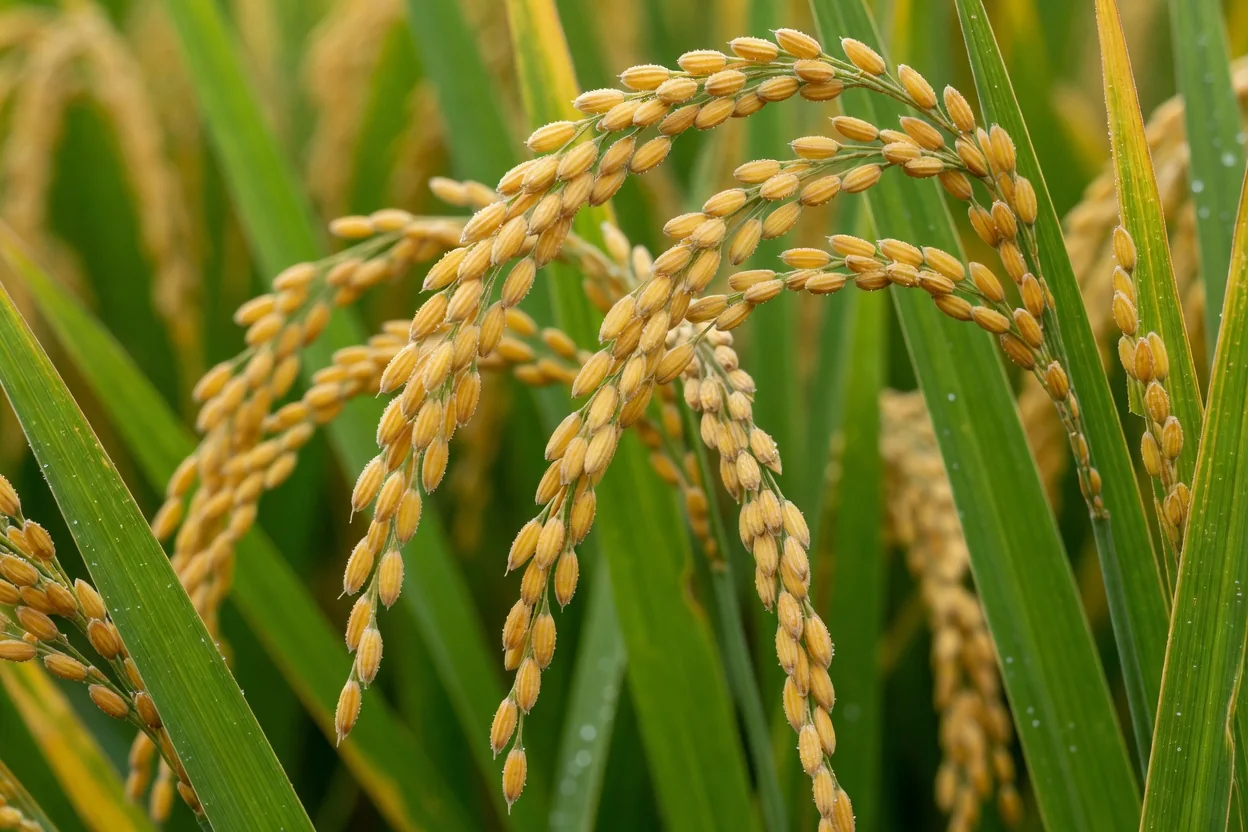
National average yields have hovered around 4.2 tons per hectare for several years, yet demonstration plots regularly hit 7–8 tons. This stubborn gap worries policymakers. Researchers are shifting from simply releasing higher-yielding lines to varieties that maintain performance under real-farm stress: erratic rainfall, rising salinity in coastal districts, and declining soil organic matter. The goal is stable rather than spectacular yields that smallholders can count on season after season.
Climate-Proof Varieties Reach the Coast
Submergence-tolerant Swarna-Sub1 and its descendants now cover more than two million hectares, saving crops that once drowned for weeks during flash floods. In the southern coastal belt, salt-tolerant varieties like BRRI dhan 67 and 78 are spreading rapidly. Farmers in Satkhira and Khulna report harvesting where nothing grew five years ago. These varieties combine salinity tolerance during both vegetative and reproductive stages—an achievement that took nearly fifteen years of careful crossing and field screening.
Biofortified zinc rice has moved from experimental plots to market seed stalls across 40 districts. Varieties such as BRRI dhan 84 and 85 contain 20–24 ppm zinc in polished grain, helping combat hidden hunger in a population where rice supplies 70 percent of daily calories. Mothers’ groups in rural Barisal now specifically request “the zinc rice” for family plots, showing how nutrition messaging has finally reached the farm level.
Water-Smart Practices Gain Ground
Alternate wetting and drying (AWD) irrigation is no longer just a research recommendation. In 2026, more than 300,000 hectares of boro rice use the simple perforated pipe method that saves 25–30 percent of irrigation water while often increasing yields by reducing lodging and disease. Public programs now bundle AWD training with seed distribution, recognizing that new genetics perform best when paired with better management.
Key points
- Aus, aman and boro each need different science
- Salt and submergence tolerance top the coastal agenda
- Water-saving irrigation is now a breeding-adjacent priority
| Season | Key Research Priority | Target Trait | Adoption Driver |
|---|---|---|---|
| Aus | Early maturity | 105–110 days | Flood escape |
| Aman | Submergence tolerance | 14–18 days underwater | Monsoon resilience |
| Boro | Water efficiency + yield | AWD compatibility | Groundwater conservation |
Public breeding decisions follow a transparent, if sometimes slow, process. Every year the National Rice Research Agenda Committee reviews data from 22 regional stations, farmer surveys, and climate models. Traits are scored on a 1–10 scale for impact, feasibility, and cost to farmers. Only those scoring above 7 move into the main pipeline. This disciplined approach keeps Bangladesh’s rice research tightly focused on feeding a growing population on less land.
The coming years will test whether these priorities deliver. With sea levels rising and urban sprawl claiming prime fields, the margin for error is razor thin. Yet the quiet progress—zinc-rich grains in village kitchens, salt-tolerant rice waving in coastal breezes, and water-saving pipes dotting the boro landscape—suggests that science, when guided by farmers’ real needs, can still keep pace with a hungry nation.