
Agricultural Research Trends Shaping South Asia in 2026
In the fertile plains and river deltas of South Asia, 2026 marks a quiet but decisive turning point in how agricultural science moves from laboratory benches into farmers’ hands. Bangladeshi research funders, long accustomed to bridging the gap between innovation and smallholder reality, now face a landscape reshaped by converging policy, technology, and community momentum. The coming year promises not just new tools but new ways of deciding what deserves investment.
Across India, Bangladesh, Nepal, and Sri Lanka, gene editing regulatory frameworks are maturing rapidly. National biosafety committees have begun issuing clearer guidelines for CRISPR-edited crops that avoid the lengthy approval routes once reserved for transgenic varieties. Early field trials of salinity-tolerant rice and drought-hardy millets are already moving toward seed multiplication stages, offering Bangladeshi endowment trusts a narrower window to influence which traits receive priority funding before commercial interests dominate.
Digital Soil Intelligence Meets Farmer Knowledge
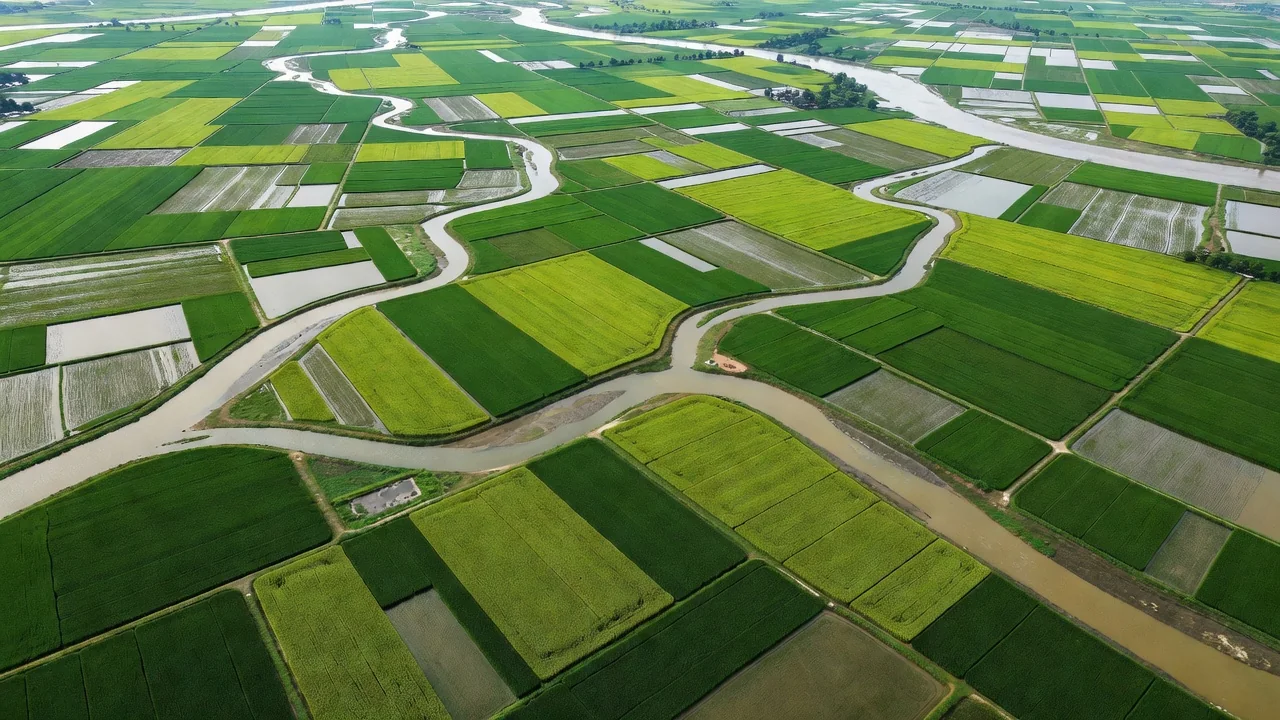
Digital soil health mapping has evolved from experimental pilots into operational advisory services. Satellite-linked soil sensors and AI-driven recommendation engines now cover nearly 40 percent of Bangladesh’s arable land, delivering weekly nutrient and moisture advisories directly to farmers’ phones. What distinguishes the 2026 wave is the deliberate integration of citizen science data: farmers using low-cost test kits contribute real-time readings that refine the models. This participatory loop is proving especially valuable in coastal zones where salinity intrusion changes weekly.
The growth of farmer-participatory research is equally striking. Community seed banks in eastern India and Bangladesh now run their own varietal trials, feeding results into national databases. Citizen science platforms have recorded over 180,000 geo-tagged observations of pest outbreaks and flowering times in the past eighteen months alone. For national endowment trusts, this shift means moving beyond traditional top-down grants toward funding models that reward co-creation and data sovereignty.
Climate Finance and Regional Seed Cooperation
Climate finance is no longer a peripheral conversation. Green Climate Fund resources and bilateral climate bonds are now flowing directly into agricultural research budgets, with Bangladesh’s national endowment positioned to match these funds on projects that demonstrate measurable carbon sequestration or resilience outcomes. Early data suggest that blended finance models can stretch research dollars by nearly 60 percent when paired with private-sector climate commitments.
Meanwhile, regional seed trade harmonization is gaining traction. The SAARC Seed Bank initiative has simplified certification standards, allowing a drought-tolerant wheat variety developed in Nepal to move across borders with minimal re-testing. This reduces duplication and accelerates access for Bangladeshi farmers facing increasingly erratic monsoons.
Key points
- Gene editing rules are moving from draft to practice
- Soil maps turn blanket advice into field-specific advice
- Climate finance is becoming a research funder, not just a relief fund
| Trend | Implication for Bangladeshi Funders | 2026 Priority Shift |
|---|---|---|
| Gene editing frameworks | Faster variety release cycles | Emphasize trait discovery over regulatory navigation |
| Digital soil mapping + citizen data | Hyper-local recommendations | Fund data integration platforms and farmer training |
| Participatory research growth | Stronger on-ground validation | Support community-led trial networks |
| Climate finance inflows | Larger project budgets possible | Develop matched-funding proposals with carbon metrics |
| Seed trade harmonization | Quicker regional access | Prioritize multi-country breeding consortia |
For a national endowment trust, these developments suggest a recalibration of grant priorities. Instead of solely backing individual labs, funders are increasingly asked to invest in infrastructure that connects laboratories with farmer networks, digital platforms, and cross-border collaborations. Success in 2026 will belong to those who can identify projects where scientific excellence, community ownership, and climate accountability reinforce one another.
The practical reality on Bangladeshi farms remains challenging: fragmented holdings, labor shortages, and volatile input prices have not disappeared. Yet the research trends converging this year offer genuine leverage. By directing grants toward participatory digital tools, regionally harmonized breeding, and climate-smart metrics, endowment trustees can help ensure that the next generation of agricultural breakthroughs actually reach the millions of smallholders who need them most.
The laboratory-to-field journey in South Asia has always been complex. In 2026 it also looks more collaborative, more data-rich, and more attuned to both planetary boundaries and farmers’ daily realities than ever before.